
Why Photographing Every Meal Works
Photographing every meal works because a picture is a fast, honest record you cannot argue with, and when a coach sees those photos each day it turns a private habit into shared accountability. That is the heart of food journaling for weight loss: you do not need to weigh grams or count macros to change your eating. You just need to capture what you actually ate, feel the gentle pressure of a witness, and let those small daily reflections add up. For most people, the phone camera beats the spreadsheet.
- A meal photo is faster and more honest than typing food into an app, so people actually stick with it.
- Knowing a coach will see the photo creates a 'witness effect' that quietly improves choices before you even eat.
- Photos capture portion size, plate balance, and context that macro numbers often miss.
- Daily photo coaching gives real-time feedback instead of a weekly guess, so small corrections happen sooner.
- You do not need perfect data to lose weight. You need a consistent, low-friction habit you will keep for six weeks.
Why a photo beats a macro app for most people
Macro tracking apps promise precision, but precision has a cost. You have to search a database, guess the brand, estimate the ounces, and log every ingredient in a mixed dish. Research generally shows that the more steps a habit requires, the faster people abandon it. Most folks quit detailed logging within a couple of weeks, not because they failed, but because the friction was too high.
A photo takes two seconds. You point, you shoot, you eat. There is no menu to scroll and no number to argue with. That low friction is exactly why it survives busy mornings, work lunches, and tired evenings when a full logging app would get skipped.
Photos also capture things numbers hide. A macro app might tell you a meal was 500 calories, but it cannot show you that the plate was three quarters pasta and a thumbnail of vegetables. The picture shows portion size, balance, and how often 'a handful' of something became a small mountain. For everyday weight loss, that visual pattern matters more than a decimal point.
The psychology of a witness
There is a well-known shift that happens the moment you know someone will see your record. Behavior researchers often call it the observer effect, and most people feel it instantly. When you reach for a second helping and remember you are about to photograph it, you pause. You are not being judged. You are simply being seen, and that is enough to nudge a better choice.
A private food diary loses this power quickly because the only witness is you, and you are easy to negotiate with. A photo that goes to a coach cannot be quietly edited in your own memory. That small accountability loop is doing real work between meals, not just at check-in time.
This is why the daily meal-photo habit sits at the center of the coached challenges at White Gorilla Fitness. Clay and the team are not there to police your plate. They are the steady witness who keeps the habit honest, so the pressure feels supportive instead of shameful.
How the daily meal-photo loop actually works
The loop is simple on purpose. You photograph each meal and snack as you eat it and send it to your coach that same day. Your coach reviews the photos, replies with one or two specific, doable adjustments, and you apply them at the next meal. Repeat tomorrow. Nothing about it requires a nutrition degree.
The magic is in the timing. A weekly weigh-in only tells you the score after the game is over. Daily photos let a coach catch a pattern on Tuesday instead of the following Monday, so a small tweak, like adding a palm of protein at breakfast or swapping a sugary drink, lands while it still matters.
Over your first month these micro-corrections compound. You are not overhauling your life in one dramatic week. You are stacking dozens of tiny, coached decisions, which is how durable change tends to happen for most people.
Making meal photos work
The habit fits real life around here.
A few practical tips make the photos more useful. Shoot from slightly above so the whole plate is visible, keep the lighting decent, and include the packaging when it is a grab-and-go item. Photograph before you eat, not after, so the portion is honest.
The goal is not a beautiful food photo. It is a truthful one. A slightly blurry picture of your actual dinner is worth far more than a perfect entry you typed from memory three hours later.
Where the numbers still help
Photos are the daily driver, but a few objective checkpoints keep everyone honest. In our coached online programs, a Day-0 movement screen and a reassessment every 30 days give a clear before, middle, and after that a scale alone cannot. Those data points confirm whether the photo habit is translating into the results you want.
None of this replaces medical guidance. If you have a health condition, take medication, or are considering any supplement, talk to your physician before making big changes to how you eat. A coach supports your habits. Your doctor oversees your health, and the two work best together.
For most people, though, the honest answer is reassuring. You do not need the perfect tracking system. You need a habit you will keep, a witness who cares, and a few checkpoints to prove it is working.
Frequently asked questions
Is food journaling with photos as accurate as counting calories?
Not in the strict numeric sense, and that is fine for most people. Photos trade decimal-point precision for consistency, because a habit you actually keep beats a precise one you quit in two weeks. When a coach reviews your photos daily, they can read portion size, plate balance, and frequency well enough to guide steady weight loss without you ever tallying a single calorie.
Do I have to photograph everything, even snacks and drinks?
Yes, and the snacks are often the most useful shots. The meals you would rather not photograph, the handful of candy or the second soda, are usually where the biggest patterns hide. Capturing everything is what makes the record honest and gives your coach the full picture to work with.
How is this different from just using a tracking app on my own?
The difference is the witness. An app relies on your own willpower and is easy to skip or fudge, while a photo sent to a coach adds real accountability and same-day feedback. At White Gorilla Fitness, the daily photo loop pairs your effort with a coach who responds, which is what keeps most people consistent.
What if my meals are not healthy at first? Will I be judged?
No. The point of the early photos is to see your real starting habits, not to grade them. Your coach uses those first pictures to suggest one or two small, doable swaps at a time, so change feels manageable instead of overwhelming. Progress comes from steady coaching, not shame.
Can photo journaling really help if I only have six weeks?
Six weeks is enough time to build the habit and see meaningful change, especially with daily coaching and a Day-0 movement screen and a reassessment every 30 days to track progress. The coached challenge at White Gorilla Fitness is one payment with a money-back scoreboard guarantee, so if you do the work for six weeks and are not satisfied, you get every dollar back.
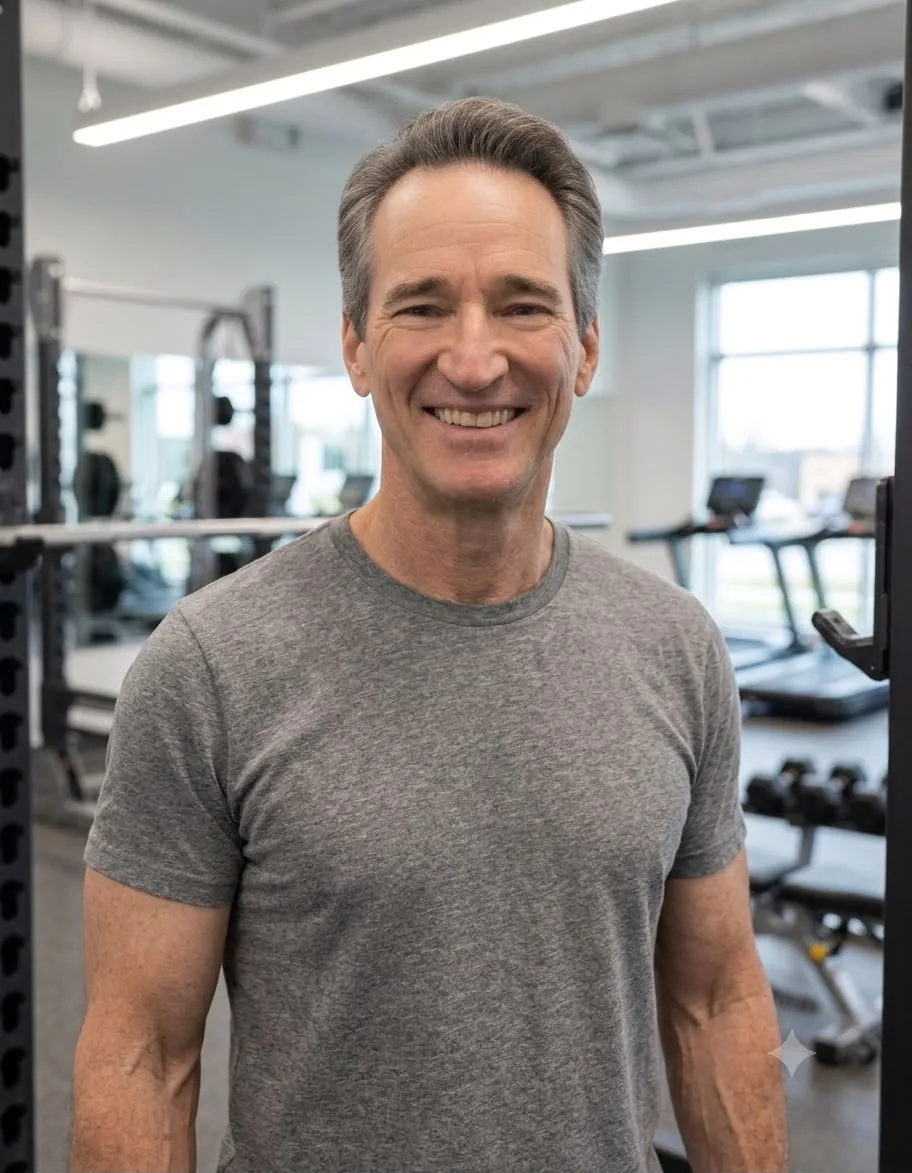
Coach Clay
Clay is the head coach at White Gorilla Fitness and has spent years coaching everyday adults, including a large over-50 community, through strength, mobility and getting back to moving well. He writes the programming behind Silverback Strong Online and filmed the movement library it runs on.