
Coach Clay, Head Coach at White Gorilla Fitness
Coach Clay is the head coach and owner-operator of White Gorilla Fitness, and he is the person who will actually stand next to you in the program. He coaches the small-group sessions himself instead of handing you off to rotating staff, he runs your day 0, your monthly check-in and your 30-day reassessment assessments, he looks at your daily meal photos, and he sits across from you at the weekly one to one check-in. He has spent years coaching everyday adults, including a large community of people over 45, through strength, weight loss and getting back to moving well. He also filmed the free video library behind the Movement Vault and writes every one of the 50 guides on this site. If you would rather judge him in person than read about him, the first visit and assessment is free and nothing is paid until you have met him.

Start with a free assessment.
Reach out now, start when you are ready. A coach calls you back the same day. No payment today, and no commitment.
Got it. A coach will reach out.
We will call the number you gave, fast. Your free assessment comes first, nothing is paid until you meet us at the gym, and you start whenever you are ready.
Who he is, and who is actually coaching you
Clay is the head coach and owner-operator of White Gorilla Fitness. That combination matters more than it sounds. At a lot of places the person whose name is on the door sells you the program and a different face runs your sessions. Here, the person you meet on the free visit is the person holding the clipboard on day one, the person watching your reps in week three, and the person sitting across from you at your your 30-day reassessment assessment.
He coaches the 45-minute small-group sessions himself, and cohorts are kept deliberately small for exactly that reason. Twenty is the number where a coach can still know your name, know what you would rather work around, know that you are on second shift, and notice on a Tuesday that your squat setup has quietly drifted. Past that number, coaching turns into supervising.
It also means there is one standard rather than several. A hip hinge is coached the same way at 6am as it is at 7pm, because it is the same coach both times.
- He coaches the four weekly 45-minute small-group sessions in person
- He runs the day 0, your monthly check-in and your 30-day reassessment assessments himself
- He reviews the daily meal photos, so a real person answers them
- He does the weekly one to one check-in
- He is the person you meet at the free first visit, before anything is paid
What he believes about coaching everyday adults
His starting assumption is that the person in front of him is busy, has a job and probably a family, has quite possibly had one bad experience in a gym already, and does not need to be shouted at. Nobody ever got stronger because a stranger raised his voice. People get stronger because the plan fits the week they actually have and somebody keeps them honest inside it.
The order he coaches in is simple. Movement first, then consistency, then load. Before weight goes on a pattern he wants the pattern to look like itself: a squat that goes down and comes back up without collapsing, a hinge that happens at the hips, a press that does not shrug into the neck. That feels slower in week one and is much faster by week five, because those weeks get spent training instead of recovering from something nobody was ready for.
The belief that shapes the whole six weeks is this: adults rarely stall because they lack information. Information is free and there is an ocean of it. What is scarce is a scoreboard and a person. That is why progress gets measured on three fixed days, why meal photos get a real reply, and why there is a weekly conversation where you say out loud how the week actually went.
He also programs around people rather than the other way around. A cranky lower back, a knee that has opinions, a shoulder that does not enjoy overhead work, a schedule that only allows 6am: those are inputs to the program, not reasons to turn someone away.
Coaching adults over 45, and why it gets its own program
A large part of the community he has coached over the years is over 45, and that has quietly shaped how he coaches everyone. The goals sound different when you listen closely. Less about a number and more about carrying groceries up the stairs in one trip, getting off the floor without planning the route first, keeping up on a hike, and feeling steady on your feet in a January.
It is also why Silverback Strong 45+ exists as its own program instead of a softer copy of the main one. Same six-week engine, same three assessments, same written guarantee, with a Health Gate safety check up front and joint-friendly programming built in from the start. He would rather hear about a joint replacement, a blood pressure medication or a shoulder that has never been right before anyone picks anything up, not afterwards.
What he will not do is treat an adult over 45 as fragile. Strength is the whole point, because strength is what protects independence later. A version of training that avoids every difficult thing also avoids every useful thing. The skill is knowing which difficulty is the productive kind, and that judgement is most of what a coach is for.
Five years. Ten years. Why retention is the honest measure of a coach.
In the program's own member videos, two people say on camera that they have trained with Clay for five years, and for ten years. We would rather hand you that than almost anything else we could write on this page.
Here is why it carries weight. Anybody can produce one good six weeks. Six weeks is short enough to be carried by novelty and a burst of motivation. What is very hard to manufacture is somebody choosing to keep coming back to the same coach after the novelty wore off, after they hit the goal they came in for, after a rough year, after it became less convenient. Retention is the one thing a coach cannot buy, cannot edit in post, and cannot rush.
It is also the fairest way to judge a coach, because it is members voting rather than marketing talking. And notice what a decade actually requires. To keep someone that long you have to keep them healthy, keep the training interesting, keep adapting as their life changes, and be a person they want to see at six in the morning. There is no shortcut that produces that.
The Movement Vault, and why he gives it away
The Movement Vault at /tutorials is a free library of exercise tutorials Clay filmed and published on his YouTube channel. The videos are him, demonstrating and cueing a movement the same way he would cue it in your program.
People ask why the useful part is free. Two reasons. The first is that a demonstration of a good hip hinge was never the valuable part. The valuable part is somebody watching your hinge and telling you the one thing to change. Giving away the demonstration costs nothing and helps people who will never drive to.
The second reason is that it lets you audit him before you spend a dollar. Watch how he explains a movement. Watch whether he over-complicates it or makes it plain. Watch whether he tells you what to do with your breath and your ribs, or just says go. If the coaching in the free library does not sound like coaching you would want, you have saved yourself the trip.
It is a working tool for members too. If somebody is away from the program with twenty minutes and no equipment, a short video is a faster answer than a paragraph of instructions.
What he writes about in the 50 guides
Clay writes the guide library at /blog/. It is the same set of answers he gives in the program, written down once so they do not have to be repeated in every session, and it covers six broad areas.
The tone matches the tone in person. When the honest answer is that a supplement barely matters, or that a single morning weigh-in tells you very little on its own, the guide says so. That is deliberate. A guide that only ever points at the checkout is an ad in a lab coat, and it is not worth anyone's reading time.
- Weight loss and the coached online program, including what a realistic six weeks looks like
- Strength after 45: bone density, balance, stiff hips, building muscle later in life
- Getting started: gym nerves, first sessions, setting a goal that survives contact with a real week
- Nutrition: protein, grocery lists, eating out, planning around a schedule that will not cooperate
- And local life: winters, walking trails, shift work and farm hours
- How it works: what a challenge costs, what a money-back guarantee actually means, why cohorts stay at 20
What to expect from him at a free first visit
The Day-0 assessment is free, you film it at home, and nothing is paid until a coach has read it and you have decided to go ahead. There is no card taken to book it and there is nothing to cancel afterwards. If you would rather talk before you come in, the program number is +1 (562) 253-2685.
He will ask more than he tells. Expect questions about what you want to be true at the end of six weeks, what your week genuinely looks like, what has worked before and what fell apart, what hurts, and which session time you would realistically keep: 6am, 7am, 11am, 12pm, 6pm or 7pm. That last one gets more attention than people expect, because a plan built around a time you will not keep is not a plan.
Then the day 0 assessment, which is the same one you will repeat on your monthly check-in and your 30-day reassessment so the comparison is fair. A weigh-in, a flexibility check, a tape measure at the waist and hips, and a few simple movements so he can see how you move. Nothing to prepare for. Wear something you can move in.
You will also get a straight answer about fit. He will show you the program, how the meal plan and grocery carts work, the Scoreboard Guarantee in writing, and the start dates available, including ones weeks out if that suits you better. The money gets laid out plainly too: your monthly plan for the first month, split pay at 2 x $299.50, or a buddy rate of 2 for $1,099 if you are bringing someone. Then you go home and think about it if you want to. Cohorts really do cap at 20, so dates fill, but nobody is going to work on you in a hallway.
Who Coach Clay is not the right coach for
He is not the right coach for competition prep or for sport-specific work with a serious athlete. That is a different job, done well by other people. This program is built for everyday adults who want to get stronger, move better and change something over six honest weeks. He is also not right for you if you want a coach who never pushes back. He is going to ask for the meal photos. He will notice when the weekly check-in goes quiet. If what you actually want is somewhere to swipe in, use a machine and be left completely alone, a big-box membership costs far less and does that better than we would.
And if you are looking for a coach whose credibility rests on a wall of trophies or a long list of letters after his name, we are not going to dress anything up on this page. What we can point you to is checkable: the free video library he filmed, the 50 guides he writes under his own name, members who say on camera that they have trained with him for five years and for ten years, and a free first visit where you can see how he coaches before you pay anything at all. If that is not enough for you, that is a completely reasonable place to land, and no hard feelings.
Frequently asked questions
Does Coach Clay actually coach the sessions, or will I get handed to someone else?
He coaches the small-group sessions himself. He also runs your day 0, your monthly check-in and your 30-day reassessment assessments, reviews the daily meal photos and does the weekly one to one check-in. Cohorts are kept deliberately small specifically so that stays possible rather than becoming a claim on a website.
What are Coach Clay's qualifications?
We do not list credentials on this page, and we are not going to imply any we cannot show you. What is checkable is this: the free tutorial library he filmed and published, the 50 guides he writes, members who state on camera that they have trained with him for five years and for ten years, and a free first visit and assessment where you can see how he coaches before you pay a dollar. Judge the coaching, not the paperwork.
How long has he been coaching?
He has spent years coaching everyday adults, including a large community of people over 45. Rather than put a figure on it, we would point you at something more useful: in the program's own member videos, people say they have trained with him for five years, and for ten years. Staying that long is a harder thing to earn than a start date.
I am over 45 and a few things hurt. Can he work around that?
Yes, and that is a large part of what he coaches. Silverback Strong 45+ is the same six-week program with a Health Gate safety check up front and joint-friendly programming built in. Tell him about the joints, the surgeries and the medications at the first visit so the program is built around them from day one instead of adjusted after something flares up.
Can I see how he coaches before I commit to anything?
Yes, in three ways that cost nothing. The Movement Vault at /tutorials is a free library of tutorials he filmed. The guides at /blog/ are his writing. And the first visit and assessment at the program is free, with no payment until you have met him and decided. Use one of the three, or all three, and decide after that.
What happens if he does not think the program is right for me?
He tells you, at the free visit, before money changes hands. He will usually tell you what he would do instead. Saying that costs him a spot in a cohort rather than costing you your monthly plan, which is the right way around.
In their own words.
Members coached by Clay, the coach behind White Gorilla. Tap any one to watch.

“Welcoming to anybody, whatever your fitness level.”
Member, 10 years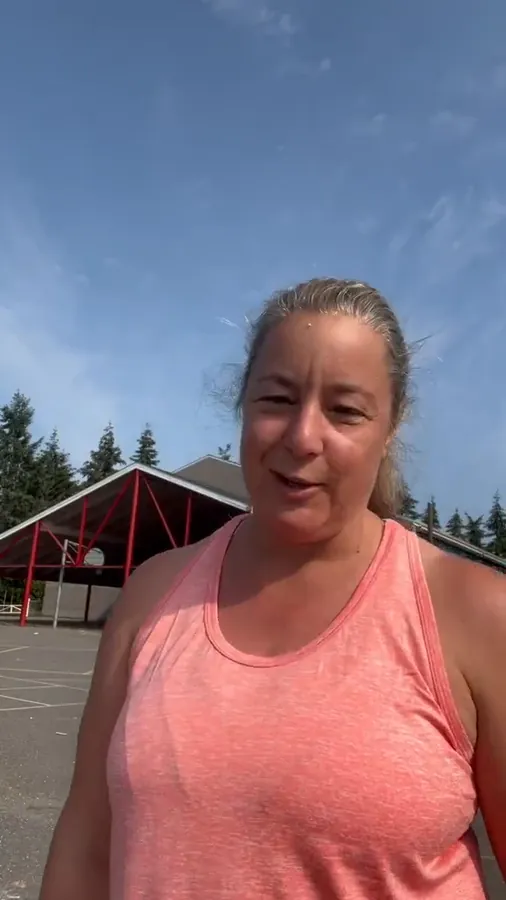
“They accommodate everything life throws at you.”
Member, 10 years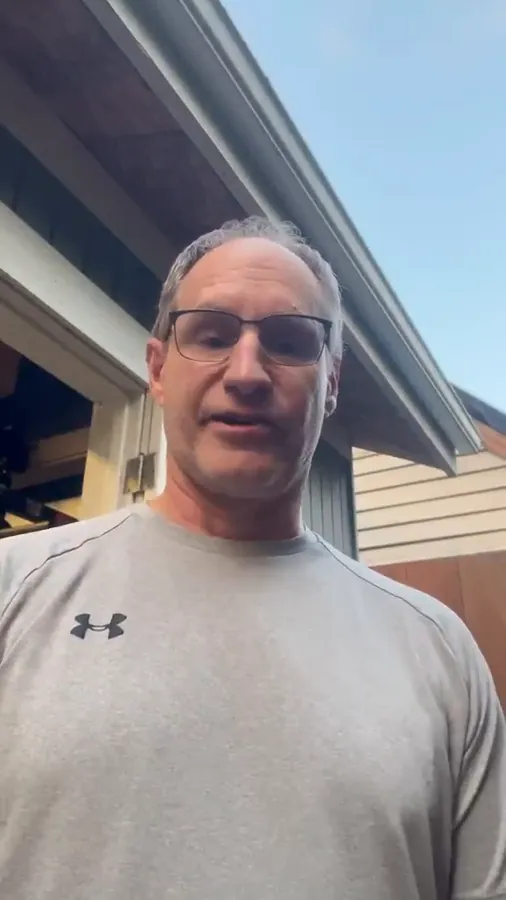
“Great instructor. I recommend this to anybody.”
Member, 5 years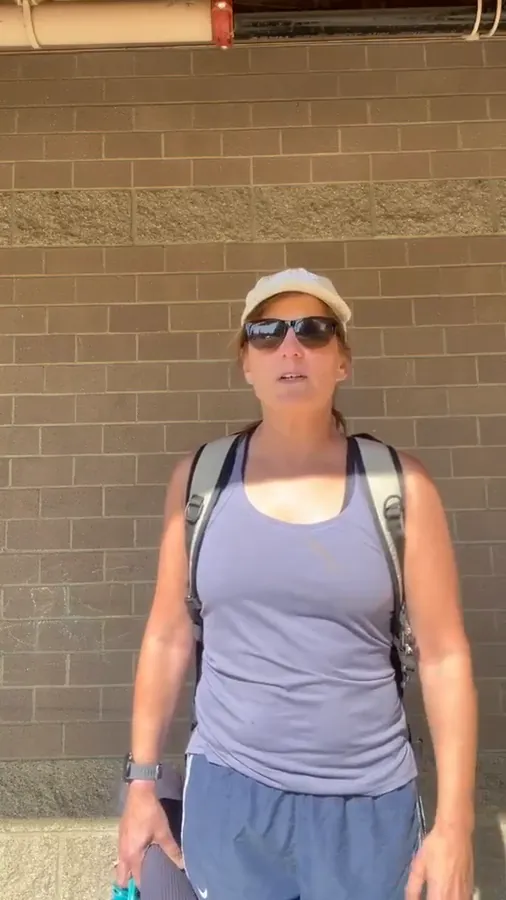
“Always something different, and always a great workout.”
Longtime member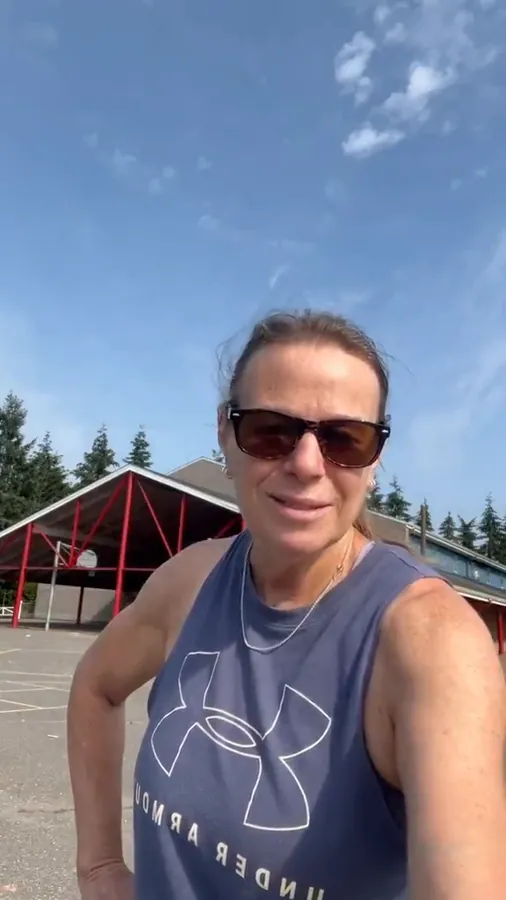
“I feel good, and I'm strong.”
Member
“Measurable increases in my strength and overall fitness.”
MemberIndividual results vary. Testimonials reflect individual experiences and are not a guarantee of specific results.