
What's the Best Time of Day to Work Out?
The best time of day to exercise is the time you can repeat most consistently, because consistency drives results far more than the clock does. Research generally shows morning, midday, and evening workouts all deliver strong benefits, with only small differences that matter less than showing up week after week. Morning tends to help build a locked-in habit, midday fits a lunch break, and late afternoon to early evening is when strength and body temperature often peak. Below we break down what each window is good for, then help you choose the one that actually sticks.
- Consistency beats the clock: the best workout time is the one you can repeat most weeks without fighting your schedule.
- Morning workouts protect your session from a busy day and tend to build a durable habit fastest.
- Late afternoon and early evening is when strength, flexibility, and body temperature often peak for many people.
- Midday sessions break up a desk day and can sharpen focus for the afternoon, if you can plan a quick, filling lunch.
- Pick a realistic anchor time, protect it for a few weeks, and let results, not trends, tell you if it fits.
The short answer: the best time is the one you'll keep
If you take one thing from this article, make it this. The differences between morning, midday, and evening exercise are real but small, and they are easily erased by missed sessions. A perfectly timed workout you skip does nothing. A slightly less optimal workout you finish four to five times a week changes your body and your energy.
Most people overthink the clock and underthink their calendar. Look at your actual week: when are you most rested, least interrupted, and most likely to still be standing? That window, not the one a study or an influencer names, is your best time.
This is why our coached programs at White Gorilla Fitness run sessions at 6 and 7am, 11am and noon, and 6 and 7pm. Different lives need different anchors, and the right anchor is the one you can hit on a normal, messy week.
Morning workouts: protect the habit before the day steals it
Working out first thing has one big advantage that has nothing to do with physiology: nothing has gone wrong yet. Your session happens before work runs long, a kid gets sick, or you are simply too tired to care. For many people, morning is the most reliable window precisely because the day has not had a chance to hijack it.
Mornings also pair well with a simple routine. Lay out clothes the night before, keep the plan short and clear, and give yourself a few minutes of easy movement to warm up, since muscles and joints are a little stiffer earlier. A brisk walk into your first sets is enough for most people.
The tradeoff is that strength and peak output can feel lower right after waking. If you lift heavy in the morning, warm up a bit longer and be patient with the first exercise. Your numbers usually climb once you are moving.
Midday workouts: a reset in the middle of a desk day
A late-morning or lunchtime session, like our 11am and noon slots, can break up a long sitting day and leave you sharper for the afternoon. Research generally shows that a bout of exercise can lift mood and focus for hours afterward, which is useful if your afternoons tend to drag.
The logistics are the challenge. You need a plan for a quick, filling meal so you are not starving by 3pm or stuffed before you train.
Midday also tends to be warmer and looser than early morning, so your body may feel more ready to move without a long warmup. If your job allows a real break, this window is underrated.
Evening workouts: when strength and mobility often peak
For many people, body temperature, muscle flexibility, and strength tend to be highest in the late afternoon to early evening. That can make hard efforts feel a little more natural and warmups a little shorter. If your goal is lifting heavier or moving better, this window has a real edge for a lot of folks.
Evening also fits the most common schedule. After work, our 6 and 7pm sessions let people train once the day's obligations are handled, which for many is simply the most repeatable option all week.
One honest caution: intense exercise very close to bedtime can make it harder for some people to wind down, though this varies a lot from person to person. If you train late and notice restless nights, finish a bit earlier or keep the last part of your session lighter, and see if sleep improves.
For adults 45+: consistency matters even more
After about age 30, inactive adults lose roughly 3 to 8% of muscle per decade, and that pace can pick up later in life. The good news is that regular strength and mobility work pushes back hard against that decline, and the time of day matters far less than simply doing it most weeks.
Many people over 45 find that a slightly later start feels best, since joints and muscles loosen as the day goes on. A patient warmup and steady, repeatable sessions tend to beat chasing a perfect time slot. Our Silverback Strong program is built exactly for this: a coached, capped small group focused on strength, mobility, and balance for adults 45 and up.
If you are managing a health condition, take medication, or are returning to exercise after a long break, talk to your physician before starting a new program so your plan fits your situation. Good coaching then scales the work to meet you where you are.
How to choose your time and make it stick
Start by naming the window you can protect most weeks, not the one that sounds ideal. Be honest about your energy and your obligations. Then treat that time like an appointment you would not casually cancel, because that is exactly what turns exercise from a wish into a habit.
Give your chosen time a honest trial of a few weeks before judging it. Motivation swings day to day, so consistency, not how you feel on any single morning or evening, is the real deciding factor. Track whether you actually showed up, then adjust once, not constantly.
This is where structure helps. A coached program with a set schedule, daily meal-photo feedback, weekly one-on-one check-ins, and a small group of people expecting you removes most of the reasons people quit. If you want that accountability built in, White Gorilla Fitness runs a your monthly plan coached online program serving,, and the surrounding area, with a money-back scoreboard guarantee: do the work for six weeks or get every dollar back.
Frequently asked questions
Is it better to work out in the morning or at night?
Neither wins for everyone. Morning workouts protect your session before the day gets busy and tend to build a habit fastest, while late afternoon and early evening is when strength and flexibility often peak for many people. The better choice is whichever time you can repeat most consistently, since regular sessions matter far more than the exact hour.
Does the time of day I exercise really affect weight loss?
Only a little compared to the big drivers. Research generally shows that total activity, overall nutrition, sleep, and consistency drive fat loss far more than what time you train. Pick the window you will actually keep week after week, and put your energy into showing up regularly and eating well rather than optimizing the clock.
Should I eat before a morning workout?
It depends on the person and the session. Many people do fine with light morning workouts on an empty stomach, while a small snack like a banana or a bit of toast helps others feel stronger, especially before harder training. Try both for a week or two and keep whatever leaves you feeling steady and energized. If you have a medical condition such as diabetes, check with your physician first.
Will working out in the evening ruin my sleep?
For most people, no. Plenty of people sleep fine after evening exercise, though intense sessions very close to bedtime can make it harder for some to wind down. If you train late and notice restless nights, finish a bit earlier or keep the last part of your workout lighter, then see whether your sleep improves over a couple of weeks.
What time do the White Gorilla Fitness sessions run?
The program at 8 Woodland Ave offers coached sessions at 6 and 7am, 11am and noon, and 6 and 7pm, so you can anchor your workout to whatever window you can protect most weeks. Both the online coaching program and Silverback Strong for adults 45+ are small coached groups. To ask about times or get started, call +1 (562) 253-2685.
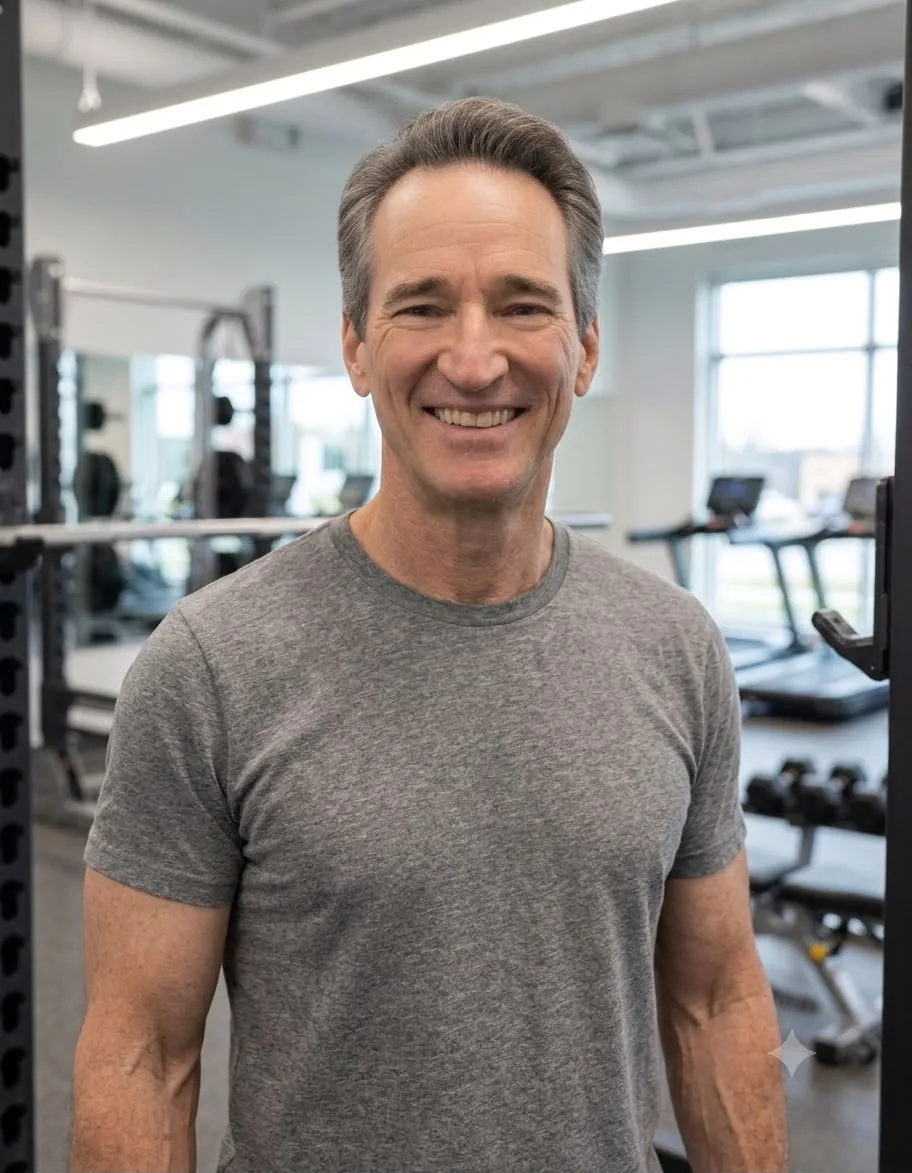
Coach Clay
Clay is the head coach at White Gorilla Fitness and has spent years coaching everyday adults, including a large over-50 community, through strength, mobility and getting back to moving well. He writes the programming behind Silverback Strong Online and filmed the movement library it runs on.