
Balance Exercises to Prevent Falls After 60
Balance exercises for seniors are simple daily drills, like standing on one foot, walking heel to toe, and shifting your weight, that train the muscles and reflexes you need to catch yourself before a stumble becomes a fall. A few focused minutes most days can steady your gait, build ankle and hip strength, and help you keep doing the things you love without fear. Below you will find beginner-friendly moves, why they matter so much after 60, and how to make them harder over time without getting hurt. Always check with your physician before starting a new exercise routine, especially if you have had a recent fall, dizziness, or a joint replacement.
- Practice balance a little most days. Short daily sessions beat one long weekly workout for building steady footing.
- Always work near a sturdy support like a counter or a solid chair so you can train confidently and safely.
- Progress slowly by narrowing your stance, closing your eyes, or moving your head, only after the easier version feels solid.
- Strength and balance go together. Stronger legs, hips, and ankles give your reflexes something to work with.
- If you feel dizzy, unsteady in a new way, or have had a fall, talk to your physician before pushing further.
Why Balance Matters More After 60
Balance is not a fixed trait you are born with. It is a skill your body maintains through use, and like any skill it fades when you stop practicing. Your sense of steadiness comes from three systems working together: your inner ear, your vision, and the position sensors in your muscles and joints. After 60, all three tend to dull a little, and the muscles that make quick corrections get weaker if they are not challenged.
Muscle loss is a big part of the story. Research generally shows that inactive adults lose roughly 3 to 8% of muscle per decade after 30, and that decline speeds up later in life. Less muscle means slower reactions when you trip on a curb or a rug, which is exactly the moment good balance saves you.
The payoff for training balance is independence. Staying steady on your feet is what lets you carry groceries in from the car, play with grandkids, garden, and travel without worrying about a fall. Protecting that ability is one of the highest-value things an active adult can do.
Five Simple Balance Drills to Start With
You can do all of these at home with a sturdy kitchen counter or a solid chair within arm's reach. Start with the support and only let go when you feel ready. Aim for a few minutes most days.
1. Feet-together stand. Stand with your feet touching side by side and hold for 20 to 30 seconds. This narrows your base and gently wakes up your balance system. 2. Single-leg stand. Lift one foot a few inches off the floor and hold for 10 seconds, then switch. 3. Heel-to-toe walk. Walk in a straight line placing the heel of one foot directly in front of the toes of the other, like walking a tightrope. 4. Sit-to-stand. From a firm chair, stand up and sit down slowly without using your hands, 8 to 10 times, to build the leg strength balance depends on. 5. Weight shifts. Stand tall and slowly shift your weight onto your right foot, then your left, feeling your ankles and hips make small corrections.
Quality matters more than speed. Move slowly, breathe normally, and keep your eyes on a fixed point ahead of you. Five focused minutes done well beats twenty rushed minutes.
How to Progress Safely Without Getting Hurt
The goal is to keep the drills just challenging enough that your body has to work, but never so hard that you feel unsafe. A good rule of thumb: only make a move harder after you can do the current version comfortably for the full time on several different days.
There are three simple ways to add difficulty. First, narrow your base, for example moving from feet apart to feet together to standing on one leg. Second, reduce your support, going from two hands on the counter, to one finger, to hands hovering nearby but not touching. Third, add a challenge to your senses, such as slowly turning your head side to side while you stand, or briefly closing your eyes only when you are right beside a solid support.
Never skip straight to the hardest version. If a drill makes you feel dizzy, lightheaded, or genuinely wobbly in a way that feels unsafe, stop, sit down, and scale back to the easier version next time. Progress that sticks is gradual.
Build a Daily Balance Habit at Home
The best balance program is the one you actually do, so tie it to something you already do every day. Practice single-leg stands while you brush your teeth, do weight shifts while the coffee brews, or run through sit-to-stands during commercial breaks. Habit stacking like this turns balance work into something automatic rather than one more chore.
Set up a safe spot in your home. A stretch of counter in the kitchen, a hallway with a wall on one side, or a heavy chair on carpet all work well. Wear supportive shoes or go barefoot on a non-slip surface, keep the area clear of rugs and clutter, and make sure the lighting is good.
If you would rather not go it alone, coached practice adds accountability and a trained eye on your form. Silverback Strong at White Gorilla Fitness is a small-group program built for adults 45 and up, blending strength, mobility, and balance work with weekly one-on-one check-ins so your progressions are matched to where you actually are.
Signs You Should Check With a Professional First
Balance training is generally safe and gentle, but some situations call for a conversation with your physician before you begin or continue. See your doctor if you have had a recent fall, if you feel dizzy or lightheaded when you stand up, if you have numbness in your feet, or if you are recovering from surgery such as a hip or knee replacement.
Certain medications and health conditions can affect balance and blood pressure, and a quick check-in helps rule out anything that needs attention. This article is general wellness guidance, not medical advice, so let your own care team weigh in on what is right for you.
Once you have the green light, consistency is what pays off. A steady body is built one short session at a time, and the sooner you start, the sooner you protect the independence that lets you keep living life on your terms.
Frequently asked questions
How often should seniors do balance exercises?
Most people see the best results from short, frequent practice rather than one long session. Aim for a few minutes on most days of the week, even five focused minutes daily. Balance is a skill your body maintains through regular use, so consistency matters more than intensity. Tie the drills to daily habits, like practicing while you brush your teeth, to make them stick.
Are balance exercises safe to do at home alone?
Yes, for most active adults, as long as you set up safely. Always work within arm's reach of a sturdy counter or a solid chair, keep the floor clear of rugs and clutter, wear supportive shoes, and make sure the lighting is good. Start with the easier versions and only progress once they feel solid. If you have had a recent fall or feel dizzy, check with your physician before practicing alone.
How long does it take to improve balance?
Many people notice they feel steadier within a few weeks of consistent daily practice, though the exact timeline varies with your starting point, strength, and health. The key is regularity. Because balance draws on muscle strength that declines with age when unused, pairing balance drills with simple leg-strengthening moves like sit-to-stands tends to speed up progress. Keep at it and the gains continue to build over months.
What is the single best balance exercise to start with?
The single-leg stand is a great starting point because it is simple, needs no equipment, and directly trains steady footing. Stand next to a counter, lift one foot a few inches off the floor, and hold for about 10 seconds, then switch sides. Keep a hand on the support until you feel ready to let go. As it gets easier, you can hold longer or reduce how much you lean on the counter.
Can strength training help prevent falls too?
Yes. Strength and balance work together closely. Stronger legs, hips, and ankles give your reflexes the power to catch you when you stumble, and building muscle helps offset the natural decline that comes with age. That is why programs like Silverback Strong at White Gorilla Fitness combine strength, mobility, and balance rather than treating them separately. Talk with your physician about the right starting point for you.
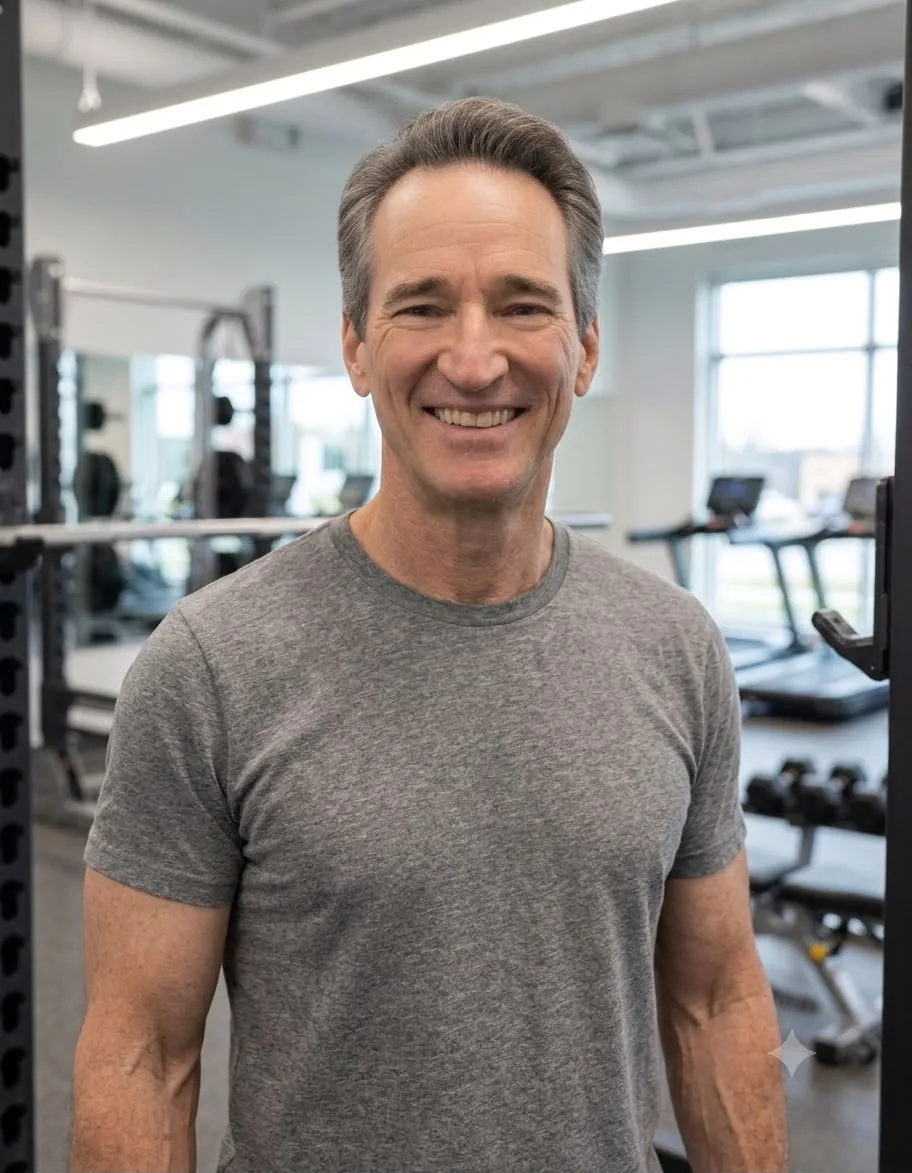
Coach Clay
Clay is the head coach at White Gorilla Fitness and has spent years coaching everyday adults, including a large over-50 community, through strength, mobility and getting back to moving well. He writes the programming behind Silverback Strong Online and filmed the movement library it runs on.