
Strength Training for Women Over 50 & Menopause
Strength training for women over 50 is the single most effective way to counter what menopause does to your muscle, bones, and metabolism, and it is safe and worthwhile to start at any age. As estrogen declines, women lose muscle and bone faster, gain fat more easily around the middle, and often feel weaker and less steady on their feet. Lifting weights pushes back directly on every one of those changes. Below is what estrogen decline actually changes, why resistance training is the antidote, and how to build a menopause-aware plan you can start this week.
- Menopause speeds up muscle and bone loss as estrogen falls, on top of the roughly 3 to 8% of muscle inactive adults lose per decade after 30.
- Strength training is the most direct antidote: it rebuilds muscle, loads bone, steadies metabolism, and improves balance.
- Two to three full-body sessions a week of 30 to 45 minutes is enough to make real progress as a beginner.
- Train around your symptoms, not through sharp pain: warm up a little longer, scale back on rough days, and keep showing up.
- Eat enough protein spread through the day, and talk to your physician before starting if you have health concerns or take medication.
What Estrogen Decline Actually Changes
Estrogen does more than regulate periods. It helps protect muscle, maintain bone density, and influence where your body stores fat. As levels fall through perimenopause and after menopause, those protections fade. Muscle gets harder to keep, bone can thin more quickly, and fat tends to shift toward the abdomen.
This sits on top of normal aging. Research generally shows inactive adults lose roughly 3 to 8% of muscle per decade after 30, and the hormonal shift of menopause can speed that loss along. Many women notice they feel weaker, tire faster, or that the same eating habits they always had now add weight.
None of this means your body is broken or that decline is inevitable. It means the signal your body used to get partly from hormones now has to come from how you move and train. That is the opening, and strength training is what fills it.
Why Strength Training Is the Antidote
Resistance training sends your body the exact signal that fading estrogen stops providing: keep and rebuild muscle. When you challenge a muscle against a load, it adapts by getting stronger, regardless of your age or your menopausal stage.
The benefits stack up. Loading your muscles also loads your bones, which encourages them to stay dense. More muscle supports a steadier metabolism, so weight management gets easier. Stronger legs and a stronger core improve balance, which protects against falls as you get older.
Cardio like walking is wonderful for your heart, but it does not rebuild muscle or load bone the way lifting does. If you only have room for one new habit in your 50s, strength work gives you the most return for the specific changes menopause brings.
A Menopause-Aware Strength Plan
You do not need a complicated program. Two or three full-body strength sessions a week, 30 to 45 minutes each with a rest day in between, is plenty for most women starting out. Build each session around the movements you actually use in daily life: a squat, a hinge, a push, a pull, a carry, and one balance drill like standing on one foot near a counter.
Aim for 2 to 3 sets of 8 to 12 reps on the main moves, using a weight that feels challenging by the last couple of reps but still lets you keep clean form. Progress slowly. Add a little weight or one more rep only once your current sets feel controlled for two workouts in a row.
Menopause-aware simply means training with your symptoms in mind instead of ignoring them. Warm up a bit longer when joints feel stiff, choose joint-friendly versions of each move, and give yourself permission to scale back on low-sleep or high-symptom days without abandoning the whole week.
Working With Menopause Symptoms, Not Against Them
Hot flashes, poor sleep, joint aches, and mood swings can all make training feel harder on some days. The answer is rarely to stop. It is to adjust. Train at whatever time of day you feel most like yourself, dress in layers you can peel off, and keep water close.
If sleep has been rough, expect some sessions to feel heavier than usual and lower the load rather than skipping. Gentle mobility and easy walking on off days can ease stiffness and support recovery. Strength training itself often helps with sleep, mood, and energy over time, though how quickly that shows up varies from person to person.
If you have osteoporosis, heart concerns, a recent injury, or you take hormone therapy or other medication, talk to your physician before you begin and mention that you are starting a resistance program. This is general wellness guidance, not medical advice, and a quick conversation up front lets you train with confidence instead of worry.
Fueling, Bone Health, and Support
Protein matters more now, not less. Building most meals around a palm-sized portion of protein gives your body the raw material to hold and rebuild muscle, and spreading it across the day tends to work better than one large serving.
Calcium and vitamin D support the bone side of the equation, and plenty of vegetables round out the plate. If you are considering supplements or anything marketed for menopause, treat them as extras rather than magic, and check with your physician first, especially if you take medication.
Starting is easier with structure and a coach watching your form. That is exactly what our Silverback Strong program at White Gorilla Fitness is built for: a coached 6-week strength, mobility, and balance program for adults 45 and up, in small groups kept deliberately small, with weekly one-on-one check-ins and progress assessments so you can see your progress. Sessions run early morning, midday, and evening with us, so there is a time that fits around your life.
Frequently asked questions
Is it safe to start strength training during menopause?
Yes. For most women, resistance training is safe and one of the most valuable things you can do during perimenopause and after menopause, because it directly counters the muscle and bone loss that come with falling estrogen. Start with lighter loads, focus on good form, and progress gradually. If you have osteoporosis, heart concerns, a recent injury, or take medication, talk to your physician before you begin.
Can strength training help with menopause weight gain?
It can help. As estrogen declines, many women gain fat more easily, especially around the middle, and lose the muscle that keeps metabolism up. Strength training rebuilds that muscle, which supports a steadier metabolism, and paired with enough protein it helps you lose fat while keeping the muscle you want. It is not an instant fix, but combined with sensible eating it is one of the most effective long-term tools you have.
How many days a week should a woman over 50 strength train?
For most beginners, two to three full-body sessions per week is ideal, with at least one rest day in between. Each session can run 30 to 45 minutes. That gives your muscles enough stimulus to adapt while leaving your joints and tendons time to recover. On off days, easy walking or gentle mobility work complements your training without interfering with recovery.
Will lifting weights make women over 50 bulky?
No. Building large amounts of muscle takes years of dedicated, heavy training and very specific eating, and it is even harder for women in their 50s because of lower hormone levels. What strength training actually does is make you leaner, stronger, and more toned. Most women find they look more defined and capable, not bulky, as they get stronger.
Does strength training help bone density after menopause?
Working your muscles against resistance also loads the bones they attach to, and research generally shows that kind of loading encourages bones to stay strong. That makes strength training a valuable habit during and after menopause, when bone loss tends to speed up. It is not a replacement for medical care if you already have osteoporosis, so talk to your physician about the right approach for you.
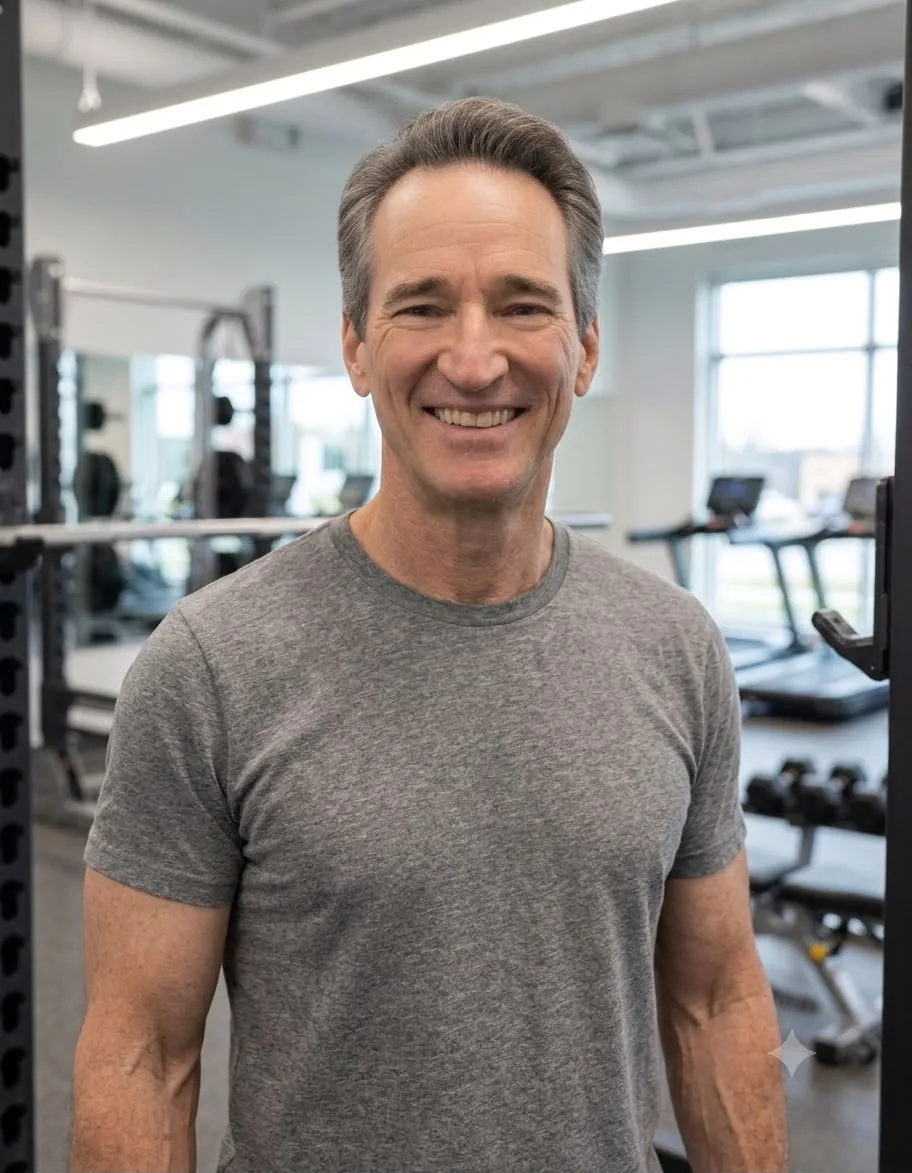
Coach Clay
Clay is the head coach at White Gorilla Fitness and has spent years coaching everyday adults, including a large over-50 community, through strength, mobility and getting back to moving well. He writes the programming behind Silverback Strong Online and filmed the movement library it runs on.