
Strength vs Cardio After 45: What to Prioritize
After 45, strength training should come first and cardio second, even though both belong in your week. When people weigh strength vs cardio for older adults, the honest answer is that lifting rebuilds the muscle, bone support, and balance that quietly fade with age, while easy cardio protects your heart and endurance. You do not have to pick one. You prioritize strength, then build gentle cardio around it. Here is why that order matters after 45, where zone-2 cardio fits, and how to balance the two without burning out.
- Prioritize strength first. It is the only kind of training that directly rebuilds the muscle you lose with age, and inactive adults lose roughly 3 to 8% of muscle per decade after 30.
- Cardio is the support act, not the main event. Easy zone-2 work protects your heart and energy without eating into strength recovery.
- Two to three strength sessions plus most-days walking covers most people over 45. You do not need hours of cardio.
- The most common mistake after 45 is doing lots of cardio and almost no lifting, which lets muscle slip away even as the scale drops.
- Separate hard cardio from lifting when you can, so one does not sabotage the other.
Why Strength Comes First After 45
The reason order matters is what your body quietly loses over time. Research generally shows inactive adults lose roughly 3 to 8% of muscle per decade after 30, and that loss tends to speed up through your 50s and 60s. Cardio, however good it is for your heart, does very little to rebuild that muscle. Strength training is the direct tool for the job.
Muscle is about far more than how you look. It supports your metabolism, keeps your bones loaded and strong, steadies your balance, and makes everyday tasks like carrying groceries or getting off the floor feel easy instead of risky. Losing it slowly chips away at your independence.
That is why, for most people over 45, the missing piece is resistance training, not more cardio. Two to three sessions a week built around basic movements is enough to push back against the decline and start reversing it.
Where Zone-2 Cardio Fits
Zone-2 is easy, conversational-pace cardio, the kind where you could still hold a full sentence without gasping. Think brisk walking, easy cycling, or a relaxed row. It is deliberately not sprints, not intervals, and not the sweaty class that leaves you wrecked for two days.
Its job is to build your aerobic base. Easy cardio supports heart health, improves your day-to-day energy, helps you recover between strength sessions, and burns fat without pounding your joints or draining the recovery your lifting needs. Because it stays gentle, it complements strength work instead of competing with it.
For most people over 45, two to four easy sessions of 20 to 45 minutes a week is plenty. A daily walk counts. You do not need to grind on a treadmill to check this box, and going harder is not automatically better here.
How to Balance Both in a Week
A simple, repeatable week does the job. Strength train two to three days, and put easy zone-2 cardio on most of the other days, usually as a walk. A common layout is strength on Monday, Wednesday, and Friday, with easy walks in between and a real rest day when you need it.
Order and separation matter when time is tight. If you have to combine them, lift first while you are fresh, or keep your hardest cardio on separate days. A tough cardio session right before lifting tends to drain the strength quality you came for, and after 45 that recovery buffer is worth protecting.
Keep the progression boring on purpose. Add a little weight or one more rep only when your current sets feel controlled, and let your walks stay easy. Consistency across the weeks beats any single punishing workout.
The Common Mistake: Too Much Cardio, Too Little Lifting
The default after 45 is to reach for more cardio. It feels productive, it feels safe, and the treadmill or a walking group is easy to start. The problem is that cardio alone will not rebuild the muscle you are losing, and during weight loss it can actually let more muscle slip away.
When you cut calories without strength training, a chunk of what you lose can come from muscle rather than fat. Adding resistance work signals your body to hold onto that muscle while the fat comes off. It is also why the scale alone is a poor scoreboard, because it cannot tell you what kind of weight you are losing.
The fix is to flip the ratio most people run. Make strength the priority and cardio the support, rather than the other way around. You keep the heart benefits of easy cardio and stop trading away the muscle that keeps you strong and independent.
Building It Into Real Life
The nice thing about this balance is how well it fits everyday life here. Zone-2 cardio can be a walk around Lakeside Park or your own neighborhood, and your strength work happens indoors, which matters through a long winter. Neither one requires fancy equipment to start.
Doing it with a little structure makes it stick. Our Silverback Strong program at White Gorilla Fitness is a coached six-week program built for adults 45 and up around exactly this priority, with strength, mobility, and balance work in small groups kept deliberately small, weekly one-on-one check-ins, and progress assessments so you can see muscle held and progress made. Sessions run early morning, midday, and evening, so there is a slot that fits most schedules.
One last note. This is general wellness guidance, not medical advice. If you have heart concerns, high blood pressure, joint replacements, or any other health condition, talk to your physician before starting a new strength or cardio routine, and share any guidance with your coach so your plan can be adjusted safely.
Frequently asked questions
Should older adults do strength or cardio first?
For most people over 45, strength should be the priority and cardio the support. Lifting is the only kind of training that directly rebuilds the muscle, bone support, and balance that fade with age, while easy cardio mainly protects your heart and endurance. You do not have to choose between them. In a typical week, aim for two to three strength sessions and add easy zone-2 cardio, like walking, around them. If you train both on the same day and have to pick an order, lift first while you are fresh.
What is zone-2 cardio and why does it matter after 45?
Zone-2 is easy, conversational-pace cardio where you can still talk in full sentences, such as brisk walking or relaxed cycling. It matters after 45 because it builds your aerobic base and supports heart health without beating up your joints or draining the recovery your strength work needs. Because it stays gentle, it fits neatly alongside lifting instead of competing with it. Two to four easy sessions of 20 to 45 minutes a week is plenty for most people.
How many days a week should I do strength and cardio after 45?
A practical target for most people is two to three strength sessions and easy cardio on most of the remaining days. Each strength session can be 30 to 45 minutes, and your cardio can be a simple 20 to 45 minute walk. Keep at least one rest day, and separate your hardest cardio from lifting when you can so one does not undercut the other. Consistency across the week matters far more than any single long or intense workout.
Will too much cardio make me lose muscle after 45?
Cardio by itself does not build muscle, and doing a lot of it while eating in a calorie deficit can let some muscle slip away along with fat. This matters more with age, since inactive adults lose roughly 3 to 8% of muscle per decade after 30. The fix is not to fear cardio but to keep it easy and make strength training the priority. Regular lifting plus enough protein signals your body to hold onto muscle while you lose fat.
Is walking enough cardio for someone over 45?
For most people, brisk daily walking is excellent zone-2 cardio and covers the heart and endurance side of your training well. Where walking falls short is strength. It will not rebuild the muscle, bone support, and balance that fade with age, so it works best paired with two to three strength sessions a week. If you only have time for one thing you are not already doing, adding strength training is usually the higher-value move after 45.
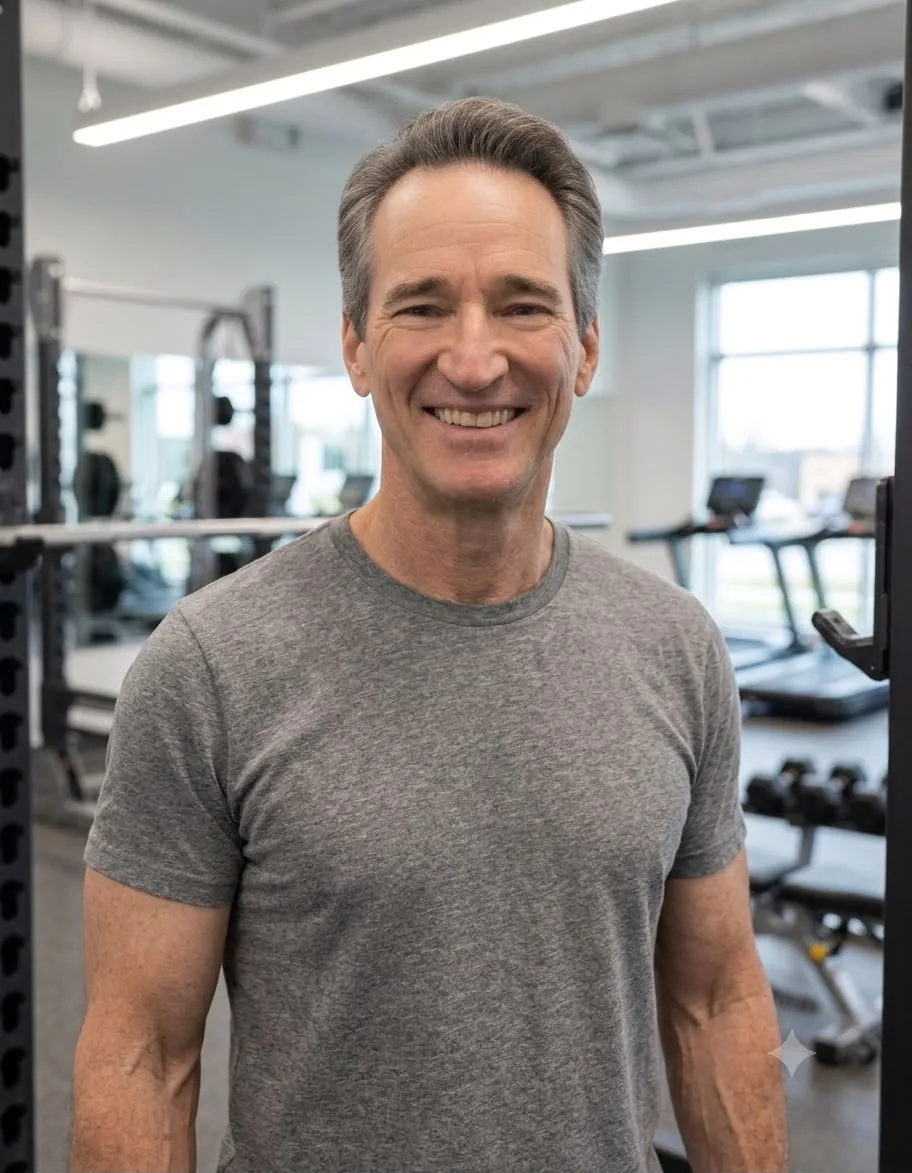
Coach Clay
Clay is the head coach at White Gorilla Fitness and has spent years coaching everyday adults, including a large over-50 community, through strength, mobility and getting back to moving well. He writes the programming behind Silverback Strong Online and filmed the movement library it runs on.